Northern Navajo Nation Flood Recovery and Emergency Assistance
Dear Partners and Community Members,
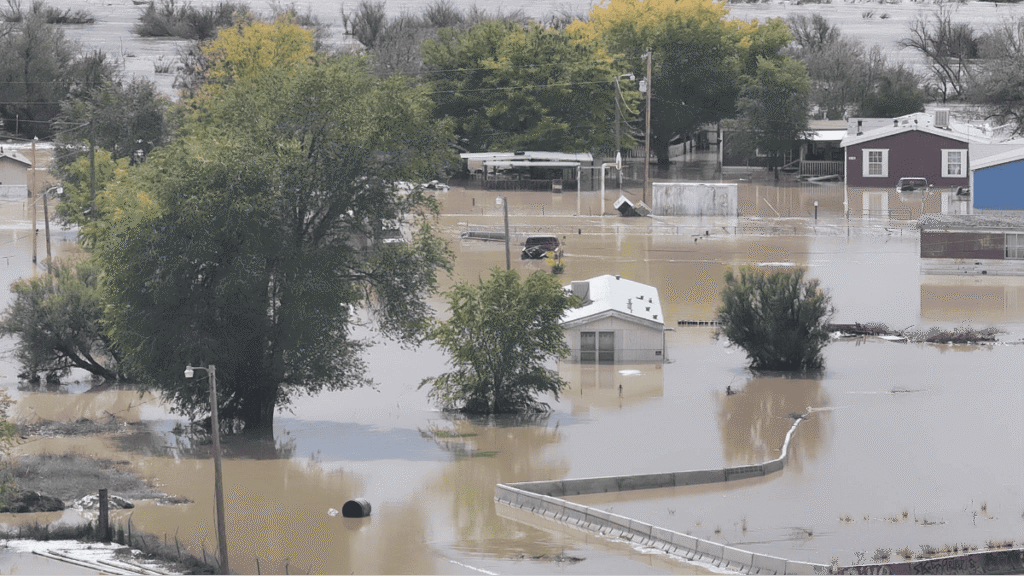
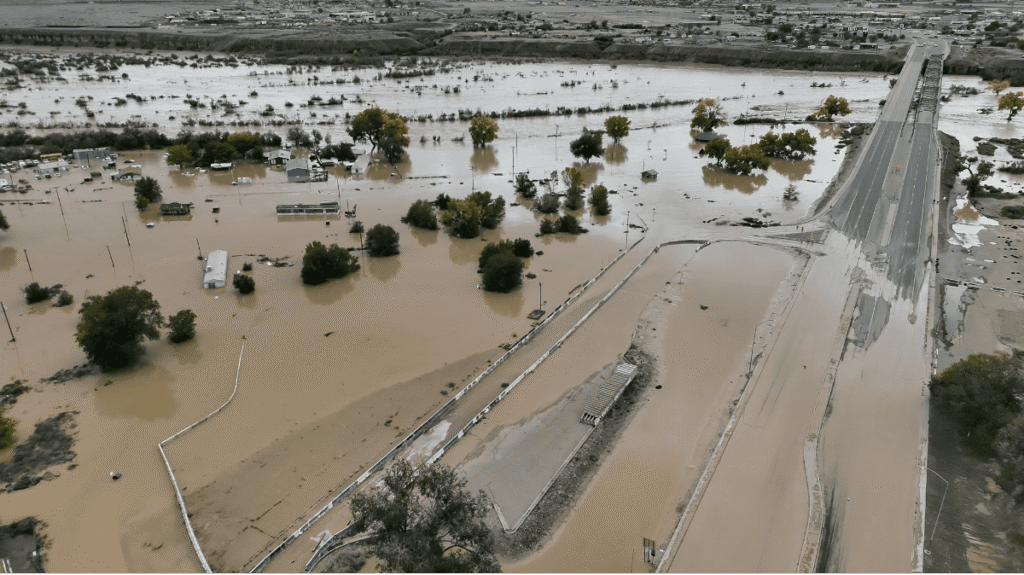
Over the past several days, the Tribal Homeownership Coalition of the Southwest (THOCSW) has met with leadership and representatives from several Navajo Nation chapters in northern New Mexico, including Shiprock, Nenahnezad, Tsé Daa K’aan (Hogback), and Upper Fruitland, to better understand the impacts of recent heavy rainfall and flooding. We have also received reports of significant impacts to the Newcomb community.
The damage across these communities has been substantial. Families have lost their homes, others have experienced extensive damage, and many residents have been displaced. Some families are staying in local hotels and motels, while others have received emergency housing assistance through the Navajo Housing Authority, which has reportedly assisted 55 families. A number of residents have chosen to remain on their properties despite the damage.
With additional rainfall anticipated, chapter officials and residents are increasingly concerned about the possibility of further flooding. Families whose homes have already been damaged, particularly those in low-lying areas, are facing uncertainty about their safety, housing, and recovery.
We are reaching out to our network of Tribal organizations, nonprofits, businesses, financial institutions, housing professionals, and community partners to help mobilize resources for these communities.
Shiprock Chapter
Shiprock has experienced extensive flooding, with 15 homes reported as complete losses and numerous additional homes sustaining varying degrees of rain and water damage.
The chapter has already distributed more than 1,000 sandbags and urgently needs additional supplies to protect homes and properties from further flooding.
Current needs include:
• Additional sandbags, sand to fill them, and flood protection materials
• Emergency kits, batteries, flashlights, and other essential supplies
• Livestock feed and pet food
• Financial assistance for displaced families staying in hotels and motels
• Assistance with roof repairs and water-damaged homes
• Financial and material resources for longer-term recovery
Although the Navajo Nation is working to provide assistance, the full extent of repairs, available funding, and longer-term recovery needs remains uncertain.
Tsé Daa K’aan (Hogback) Chapter
The Hogback community has reported eight displaced families and one home that was a complete loss. Some displaced families are staying in hotels in and around Farmington, and the chapter is coordinating with the American Red Cross.
Hogback Chapter is serving as a community donation drop-off location.
Current needs include:
• At least 500 sandbags and sand to fill them
• Livestock feed, dog food, and cat food
• Firewood and coal
• Food and drinking water
• Financial donations to support impacted families
Several families have chosen not to evacuate their properties, and community leaders remain concerned about additional rainfall.
The chapter is also accepting monetary donations.
Nenahnezad Chapter
Nenahnezad has experienced flooding affecting homes, agricultural lands, and livestock operations. Several farms have sustained extensive damage, including the loss of crops. Two homes have been reported as sustaining heavy flood damage, and additional homes in lower-lying areas remain vulnerable to further flooding.
Nenahnezad Chapter is serving as the primary donation drop-off point for communities south of the San Juan River, including Upper Fruitland.
Current needs include:
• Sandbags and flood protection supplies
• Hygiene and personal care products
• Nonperishable food items
• Livestock feed and agricultural recovery assistance
• Monetary donations, potentially by check
• Resources to assist with damaged homes and roofs
PLEASE NOTE: Nenahnezad currently has sufficient clothing donations and is NOT requesting additional clothing.
Please contact the chapter directly to coordinate donations and confirm delivery arrangements.
Upper Fruitland Chapter
Upper Fruitland is also working to support families impacted by flooding. Donations and material assistance for Upper Fruitland are currently being coordinated through the neighboring Nenahnezad Chapter.
Lynlaria Dickson has been actively working with affected residents, documenting damage, identifying families in need, and coordinating community recovery efforts.
She has also established and is managing a GoFundMe campaign to help families cover expenses that may not be addressed through Navajo Nation emergency assistance, chapter resources, homeowners insurance, or other available programs.
Financial contributions will help address the recovery needs of families who may otherwise have limited resources to repair their homes and replace essential belongings.
Newcomb Community
We have also received reports of serious access challenges in the Newcomb community, where recent flooding has washed out roads and disrupted transportation.
More than 20 families have reportedly been unable to cross damaged roads to access food, drinking water, and other essential supplies.
The community has identified an urgent need for drinking water, food, and basic necessities.
Organizations able to assist are encouraged to coordinate directly with Newcomb Chapter to determine how resources can safely reach affected families.
Points of Contact: Norman Benally or Janice
Newcomb Chapter Office: 505-696-3300
Regional Assistance and Coordination
For organizations interested in providing resources or coordinating assistance across multiple chapters, the office of Navajo Nation Council Delegate Rickie Nez is also helping connect donations and resources with communities in need.
Regional Point of Contact: Lojan Watson
Legislative District Assistant to Council Delegate Rickie Nez
Email: lojan.watson@navajo-nsn.gov
Phone: 505-592-4260
Organizations with available supplies, financial resources, emergency housing assistance, building materials, equipment, or other forms of support are encouraged to contact chapter representatives directly or coordinate through Council Delegate Nez’s office.
The Navajo Nation chapters are coordinating local services, assistance, and recovery efforts.We encourage organizations wishing to contribute to work directly with chapter leadership to ensure resources reach the families and communities where they are most needed.
Immediate Needs and Long-Term Recovery
The immediate priority is protecting families and homes from additional flooding while ensuring displaced and isolated households have access to safe shelter, drinking water, food, and other essential supplies.
However, the recovery process will extend well beyond the immediate emergency.
Many families face significant challenges involving temporary housing, home repairs, replacement of essential belongings, agricultural losses, and rebuilding.
One of the most significant challenges is that many affected homes did not have homeowners insurance. Even among households that carried insurance, some policies did not include flood coverage.
As a result, families may face substantial out-of-pocket expenses to repair or rebuild their homes and replace belongings lost to flooding.
Beyond structural repairs, families will need assistance replacing furniture, appliances, kitchenware, fixtures, and other basic household necessities. These expenses can quickly become overwhelming, particularly for households already experiencing displacement or lost income.
Financial assistance will be especially important in helping these families recover and return to stable living conditions.
We recognize that many of our partners have access to resources, funding, materials, equipment, and professional expertise that could make a meaningful difference.
Whether your organization can provide sandbags, emergency supplies, temporary lodging assistance, financial contributions, building materials, or longer-term housing recovery support, we encourage you to connect with these communities.
THOCSW will continue communicating with chapter leadership and community partners to help identify needs and connect available resources. Our role is to support the work already underway at the chapter level and help ensure that community needs reach organizations with the capacity to assist.
We also ask that you share this information within your own networks. Even when an organization cannot provide direct assistance, helping connect these communities with others who can may make a meaningful difference.
Thank you to the chapter officials, volunteers, emergency responders, community members, and organizations who are working to assist families during this difficult time.
Thank you,
Chris Billey
Executive Director
Tribal Homeownership Coalition of the Southwest (THOCSW)
Urge Congress to Fund the Section 4 Capacity Building Program at $50 Million in FY 2027
On behalf of Enterprise Community Partners, Habitat for Humanity International, and the Local Initiatives Support Corporation, thank you for signing last year’s organizational letter in support of the Section 4 Program.
In FY 2026, Congress provided $46 million for the Section 4 Capacity Building and Affordable Housing Program. This was one of the largest year-over-year gains in the program’s history and your advocacy made this possible.
With budget cuts expected for FY 2027, we need your assistance to keep Section 4 sustainable. Your advocacy is needed now more than ever to preserve the Section 4 Program. The 2026 sign on letter opened last week and we hope your organization can once again voice support for Section 4 by signing on to the letter using this link. The deadline has been extended to March 9th. If you already joined the letter, we are grateful for your help.
The letter requests no less than $50 million for Section 4 in the FY 2027 budget. In addition, we ask for further appropriations to the Self-Help and Assisted Homeownership Opportunity Program account, which supports many critical HUD programs, in order to accommodate the additional requested funds for Section 4.
Please share this sign on opportunity with your networks. We appreciate your advocacy.
TAKE ACTION BY MARCH 9TH
Help us tell Congress that communities–and the nonprofits that work there–matter.
 NAIHC – NAHASDA Amendment Proposed for the National Defense Authorization Act (NDAA)